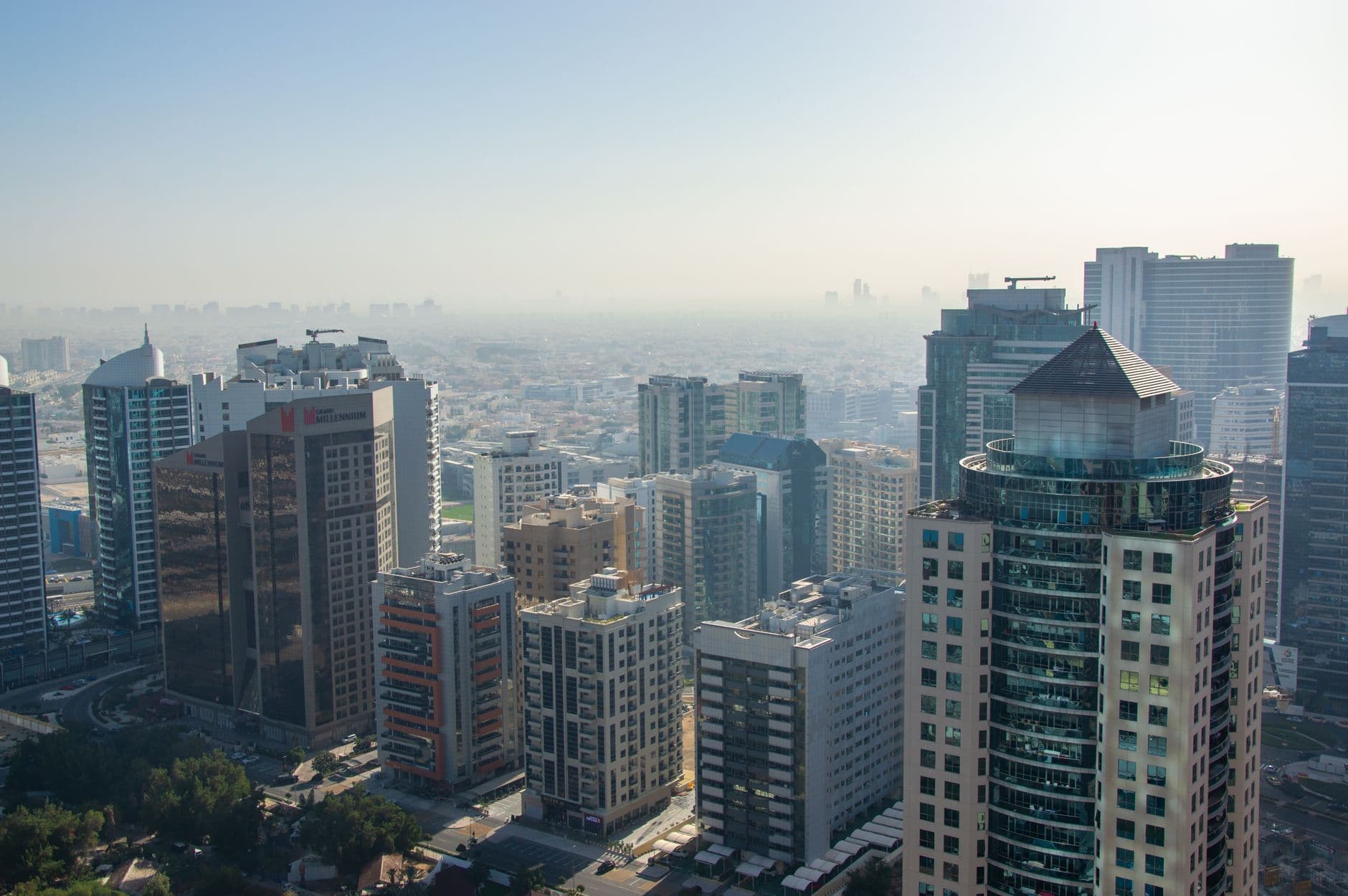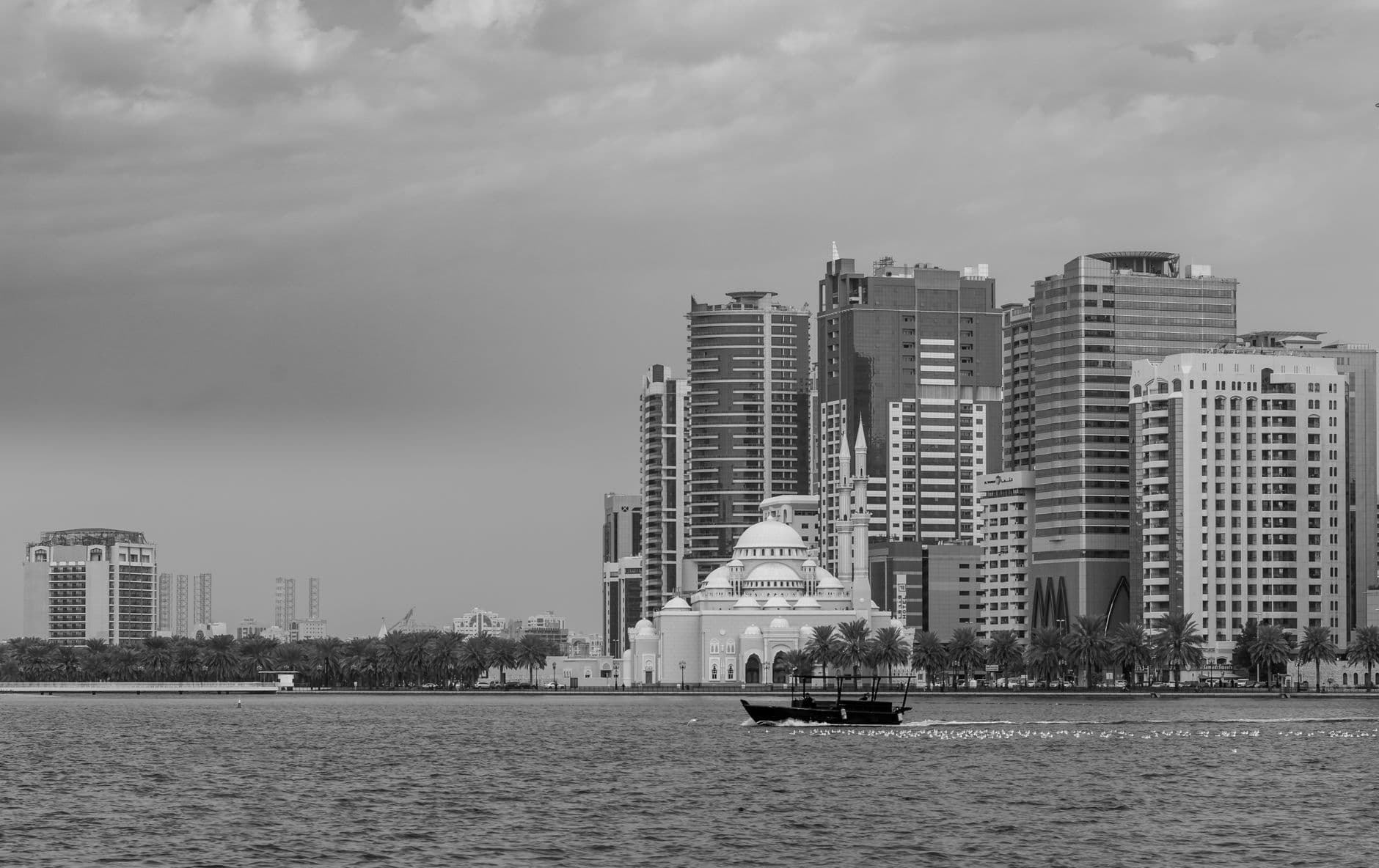
Dubai attracts thousands of French-speaking investors every year seeking yield, tax optimization and quality of life. In 2026, the emirate confirms its position as a global real estate hub with a diversified offer, iconic projects signed Emaar, DAMAC, Nakheel or Arada, and a stable legal framework. Investing in Dubai real estate has never been more accessible for a French speaker guided by the right experts.
Why invest in Dubai real estate in 2026
Taxation remains the number one argument. 0% tax on rental income and 0% on real estate capital gains for individuals who are UAE tax residents. Non-residents can also buy in full ownership (freehold) in designated areas of Dubai, Abu Dhabi and Sharjah. However, a French tax resident remains taxable in France on worldwide income according to the France-UAE tax treaty. It is therefore recommended to consult a tax expert before investing.
Net rental yields range from 5 to 9% depending on the area. JVC (Jumeirah Village Circle) regularly shows 8 to 9%, Business Bay 7%, Dubai Marina 6 to 7%, Downtown 5 to 6%, Palm Jumeirah around 5%. In Sharjah, Arada projects like Aljada or Masaar also deliver 8 to 9% net, with entry prices well below Dubai.
The Golden Visa (10-year residence visa) is granted from 2M AED real estate investment, approximately 500,000 EUR. A 2-year investor visa also exists from 750k AED under conditions. This status offers a gateway to UAE residence, without strict minimum stay obligation, which appeals to French-speaking entrepreneurs and retirees.
Finally, the market remains highly liquid. Transactions are fast (a few days for a cash purchase), transparent thanks to the Dubai Land Department electronic registry (dubailand.gov.ae), and secured by escrow accounts for off-plan projects. Our agency supports every French-speaking investor in this process from property identification to rental management.
Freehold zones: where to buy as a foreigner
Only certain zones allow foreigners to acquire in full ownership (freehold). In Dubai: Downtown, Dubai Marina, Business Bay, JVC, Dubai Hills Estate, Dubai Creek Harbour, Palm Jumeirah, Jumeirah Beach Residence (JBR), Arabian Ranches, and many others. In Abu Dhabi: Yas Island, Saadiyat Island, Al Reem Island. In Sharjah: Aljada and Masaar (Arada projects).
Each neighborhood has its personality. Dubai Marina and JBR offer waterfront living, strong rental demand from young expats, but high prices per sqm (15,000 to 20,000 AED/sqm). JVC and Dubai Sports City offer affordable studios and 1-bedrooms (5,000 to 8,000 AED/sqm), ideal for a first rental purchase. Downtown and Business Bay are the business heart, with high rents but moderate net profitability (5 to 7%).
Dubai Hills Estate and Dubai Creek Harbour represent upscale family living, with villas and townhouses. Prices climb (20,000 to 30,000 AED/sqm for certain Emaar projects), but demand from wealthy families is strong.
In Sharjah, Aljada and Masaar stand out for their excellent value. Aljada is a mega mixed-use community (residential, commercial, leisure) signed Zaha Hadid Architects for certain elements. Masaar is an eco-responsible project in urban forest. Both deliver 8 to 9% yields with entry prices from 400,000 AED for a studio or 1-bedroom. Emirates Immo is a recognized expert on these Arada projects and supports many French-speaking investors in Sharjah.
Discover our complete catalog of new projects and explore our neighborhoods pages to compare areas.
Off-plan vs secondary: which buying strategy
The off-plan market (before or during construction) represents about 60% of transactions in Dubai in 2026. The advantages are multiple:
- Staggered payment plans: 10 to 20% deposit, then monthly installments during construction (2 to 4 years depending on project), sometimes even post-handover (Arada offers up to 5 years post-handover on certain projects).
- Price below secondary market: discount of 10 to 30% compared to a delivered property.
- Capital gain potential: between signing and delivery, value can increase 20 to 50% depending on location and demand.
- No buyer commission on new: the developer pays the agency commission, the buyer pays nothing (except 4% DLD fees at delivery).
Risks exist: construction delay (rare but possible), unreliable developer. That's why you must favor solid players (Emaar, DAMAC, Nakheel, Meraas, Sobha, Ellington, Arada, Aldar) and verify that funds are deposited in a RERA escrow account. We ONLY offer projects from certified developers and supports each client in contract verification.
The secondary market (delivered property, immediate occupancy) suits investors eager to generate cash flow immediately. Acquisition costs are 4% (Dubai Land Department) + about 2% agency commission + minor administrative fees. Negotiation is possible, especially if the seller is motivated. The property can be rented from the signing of the title deed.
Mixed strategy: buy an off-plan for capital gain and a secondary property for immediate cash flow. Our advisors build with you a balanced portfolio according to your budget and objectives.
Real acquisition and holding costs
Total transparency on costs:
- Dubai Land Department (DLD) fees: 4% of purchase price, paid by buyer at property transfer (completion). On 1M AED, that's 40,000 AED.
- Agency commission on secondary: about 2% of price (negotiable). On new off-plan, commission is paid by developer, not by buyer.
- Administrative fees: trustee fees, Land Department registration fees, a few hundred AED.
- Mortgage Registration Fee if bank loan: 0.25% of loan amount + bank fees.
Once owner:
- Service charges (condo fees): 10 to 25 AED/sqft/year depending on residence (pool, gym, security, maintenance). On a 700 sqft apartment, count 7,000 to 17,500 AED/year.
- Municipal tax (housing fee): 5% of annual rent for Dubai (paid by tenant via DEWA, but some owners include it in net rent).
- DEWA deposit and connection: about 2,000 AED deposit + connection fees if first occupant.
- Property insurance: optional but recommended, 500 to 1,500 AED/year depending on property value.
No annual property tax in Dubai (unlike Abu Dhabi which levies 2 to 4% depending on emirate). No tax on rental income for a UAE resident. A French tax resident must declare rental income in France and can deduct certain expenses depending on the chosen tax regime (micro-foncier, reel): here again, tax consultation essential.
Recent emergence: the UAE Corporate Tax of 9% on profits above 375,000 AED/year, effective since June 2023. It concerns companies, not individuals holding a property in personal name. If you invest via a freezone company or offshore, check the impact with your accountant.
Financing and mortgage for non-residents
UAE banks lend to non-residents, but conditions are strict. In 2026, rates range from 5 to 7% depending on profile. Personal contribution required: minimum 35 to 50% of property value for a non-resident (versus 20 to 25% for a UAE resident). Maximum duration: 20 to 25 years, age limit often 65-70 years at end of loan.
Required documents: passport, UAE visa if resident, last payslips, 6-month bank statements, income proof (employer certificate, balance sheets if self-employed). Some banks require a salary cheque domiciled in UAE for a resident, or proven external income for a non-resident.
Most active banks: Emirates NBD, Mashreq, ADCB, RAKBANK, HSBC UAE. Each bank has its criteria (max debt-to-income ratio 50%, up to 60% for high incomes). Approval process takes 2 to 4 weeks.
Alternative: cash purchase, very common in Dubai (about 60% of transactions). Many French-speaking investors sell a property in France, transfer funds via their bank (declaration to French tax administration if amount > 10,000 EUR), and buy cash in Dubai. SWIFT transfer takes 2 to 5 days, with bank fees of 20 to 50 EUR on French side + UAE receiver fees (variable).
Our team connects with credit brokers and supports financial structuring, from simulation to signing at notary public UAE.
The step-by-step buying process with our agency
1. Property identification: virtual or physical visit, neighborhood analysis, document verification (title deed, NOC from developer if off-plan, sales agreement). We send detailed brochures and comparisons. 2. Reservation: reservation cheque (5,000 to 10,000 AED depending on project), blocks property 7 to 14 days to finalize. 3. MoU / SPA signature: Memorandum of Understanding (if secondary) or Sales and Purchase Agreement (if off-plan). Lawyer verification recommended. Deposit 10% (off-plan) or negotiated balance (secondary). 4. Staggered payments (off-plan): according to developer schedule, transfer to RERA escrow account. Or immediate balance payment (secondary). 5. Property transfer: appointment at Dubai Land Department (or Oqood in Sharjah) with all parties. Payment of 4% DLD fees, handover of Title Deed (or Oqood certificate in Sharjah). 6. Handover and keys (off-plan): apartment reception, snag list inspection (defect verification), DEWA connection, key handover. 7. Rental: our property management service takes over (tenant search, Ejari contract, rent collection, maintenance). Management commission 5 to 8% of annual rent depending on formula.
This entire process can be done remotely for a buyer based in France. Power of Attorney notarized at UAE consulate in France, or electronic video-signature for certain developers. Our team manages all logistics and keeps you informed at every step via WhatsApp and email.
Visit our agency page to discover our team and references. We are based in Dubai and Sharjah, available 7 days a week to answer questions.
Taxation and resident status: what you need to know
Becoming a UAE tax resident is key to fully benefit from 0% taxation. Obtaining a residence visa (employment, investor, Golden Visa) is not enough: you must meet tax residency criteria (minimum 183 days stay per year in the country, or 90 days + other criteria like employment contract, housing, family). Once a UAE tax resident, you are exempt from personal income tax and real estate capital gains.
But beware of French tax residency. If you keep your home in France, predominant economic interests in France, or spend more than 6 months per year in France, the French tax administration may consider you a French tax resident. In this case, you must declare your worldwide income (including Dubai rents) and pay tax in France. The France-UAE tax treaty avoids double taxation (tax credit), but the French rate applies.
Advice: before investing, do an assessment with a Franco-Emirati tax lawyer. We can direct you to trusted partners (law firms, bilingual accountants).
For companies: if you create a Dubai LLC or a freezone company to hold your properties, the 9% Corporate Tax applies on profits (rents minus charges minus depreciation) above 375,000 AED/year. Below, exemption. Some freezones still offer total exemptions under conditions. Here again, professional advice essential.
Conclusion: take action with Emirates Immo
Investing in Dubai real estate in 2026 combines yield, favorable taxation, quality of life and capital gain potential. The market is mature, regulated, accessible to French speakers guided by experts. Whether you target a JVC off-plan studio for 500,000 AED, a Dubai Marina penthouse for 5M AED, or an Aljada villa for 1.5M AED, every profile finds its property.
Important emergence: with Emirates Immo, you benefit from end-to-end support in French, a network of certified partners (developers, banks, lawyers, tax advisors), and in-depth UAE market knowledge. We are particularly specialized in Arada projects in Sharjah (Aljada, Masaar), where we guide dozens of French-speaking investors every year.
Ready to take the plunge? Contact us now via WhatsApp at +33 6 52 19 15 47 for a free consultation. Receive our exclusive opportunities and detailed brochures at https://investir.emirates-immo.com/. Dubai real estate investment is waiting for you.
Frequently asked questions
What are the real costs to buy property in Dubai in 2026?
Acquisition costs include 4% Dubai Land Department (DLD) fees, about 2% agency commission on secondary (0% on new off-plan where commission is paid by developer), and a few hundred AED administrative fees. On 1M AED, count about 60,000 AED total fees (secondary) or 40,000 AED (new off-plan). Add annual service charges of 10 to 25 AED/sqft.
Can you get a mortgage in Dubai as a non-resident?
Yes, UAE banks lend to non-residents with a minimum 35 to 50% down payment. Rates between 5 and 7% in 2026, max duration 20-25 years. Required documents: passport, income proof, 6-month bank statements. Active banks: Emirates NBD, Mashreq, ADCB, RAKBANK. Process takes 2 to 4 weeks. About 40% of foreign buyers buy cash.
Is the Golden Visa automatic from 2M AED real estate purchase?
The Golden Visa (10-year residence) is accessible from 2M AED real estate investment (about 500,000 EUR), but requires an application to UAE immigration with documents (title deed, passport, photos, forms). The visa is not automatic: you must meet conditions (freehold property, no loan above 50% of value, etc.). A 2-year investor visa exists from 750k AED under conditions.
What are the best neighborhoods to invest in Dubai in 2026?
JVC and Dubai Sports City offer the best yields (8-9%) with affordable prices. Business Bay delivers 7% with strong liquidity. Dubai Marina and JBR: 6-7%, strong rental demand but high prices. Downtown: 5-6%, maximum prestige. Dubai Hills and Creek Harbour: upscale family. In Sharjah, Aljada and Masaar (Arada) show 8-9% with very competitive entry prices.
Do I pay taxes in France on my Dubai rental income?
If you are a French tax resident, yes: you must declare your worldwide rental income in France. The France-UAE tax treaty avoids double taxation via a tax credit, but the French rate applies. If you become a UAE tax resident (183 days/year or 90 days + criteria), you are UAE tax exempt (0%) and potentially exempt in France depending on your situation. Tax advisor consultation essential.
Off-plan or secondary: what to choose for a first Dubai purchase?
Off-plan: advantage of staggered payment plans (10-20% deposit, balance during construction), price 10-30% below market, capital gain potential. Risk: delivery delay. Secondary: immediate cash flow, no waiting, negotiation possible. Costs: 4% DLD + 2% commission on secondary vs 4% DLD only on off-plan at delivery. For a first rental purchase, secondary generates yield immediately.
Does Emirates Immo support remote buyers from France?
Yes, we manage the entire process remotely: virtual tours, document verification, MoU/SPA signature by Power of Attorney (notarized at UAE consulate in France), payment tracking, property transfer at Land Department, handover and rental. Communication via WhatsApp, email, video. We are based in Dubai and Sharjah, available 7 days a week in French.